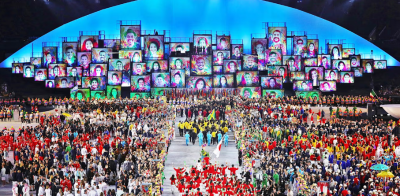
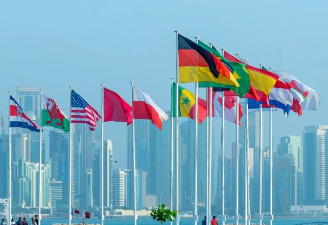
Sporting events, especially large-scale events with international influence and appeal such as the Olympic Games and the World Cup, play a significant role in cultural dissemination, promoting global cultural exchange, spreading the spirit of modern sports, and enhancing the host country's image. Sports are a uniquely attractive socio-cultural phenomenon; their material carriers and spiritual attributes are universally recognized. Cross-cultural communication, primarily through sports, is more feasible and accessible for groups from different cultural backgrounds. Cross-cultural communication during sporting events extends beyond national borders to include races and regions; every major international competition marks the beginning of a large-scale cross-cultural exchange. Sports serve as the catalyst and medium, while culture is the core of this communication.
The Role of Sporting Events in Promoting Cultural Understanding
Platform for Cross-Cultural Communication:
Sporting events provide an international platform for people from different cultural backgrounds to communicate directly and face-to-face, enhancing mutual understanding.
Integration of Language and Culture:
In sporting events, the interaction between athletes and spectators often involves the use of language, which helps deepen understanding of each other's cultures.
Establishment of Shared Values:
Through participation in sports activities, people can discover and identify with shared values and goals, such as teamwork and fair competition. These values help bridge cultural differences.
Enhanced Cultural Sensitivity:
The multicultural environment of sporting events requires participants to demonstrate a high degree of cultural sensitivity, which encourages them to learn and respect different cultural customs and beliefs.
The Role of Media Dissemination:
Television broadcasts, online streaming, and other media formats enable sporting events to become a global platform for information sharing, helping to disseminate and popularize various cultural knowledge.
Enhanced Social Cohesion:
Joint participation in sports activities can strengthen connections among community members and promote social unity and harmony.
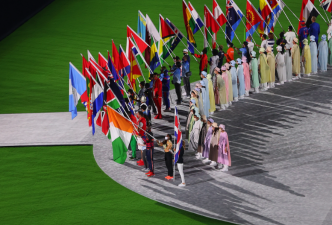
International Exchange in Sports Events
Enhancement of International Friendship:
Sports events, as an important channel for international exchange, help enhance friendship between people of different countries.
Improvement of International Image:
Successfully hosted sporting events can enhance the international image of the host country, showcasing its soft power and cultural charm.
International Cooperation:
Sports events require international cooperation to jointly develop rules and standards, ensuring the smooth running of the events.
Participation of International Sports Organizations:
International sports organizations play a vital role in sports events; their participation helps maintain international sports order and norms.
The Impact of International Sports Events:
Large-scale international sports events attract a large audience and media attention, profoundly impacting global sports culture.
The Diversity of International Sports Events:
Sports events showcase the cultural characteristics and competitive levels of different countries and regions, promoting international cultural exchange and understanding.
International sports events serve as ambassadors for cross-cultural communication. People from different countries live in different cultural spheres, with different values, beliefs, customs, and behavioral patterns. Each World Cup and Olympic Games sparks global discussion, seemingly about technology, entertainment, and visuals, but underlying are international factors. Discussions of sports lead to shared value judgments and psychological experiences, promoting global cultural exchange, disseminating the modern spirit of sports, enhancing the host country's image, and enabling cultural synergy through communication.